
How much did we
sell today?
Supermarket billing and ERP for the GCC. Every sale at the till lands in the stock and the accounts.
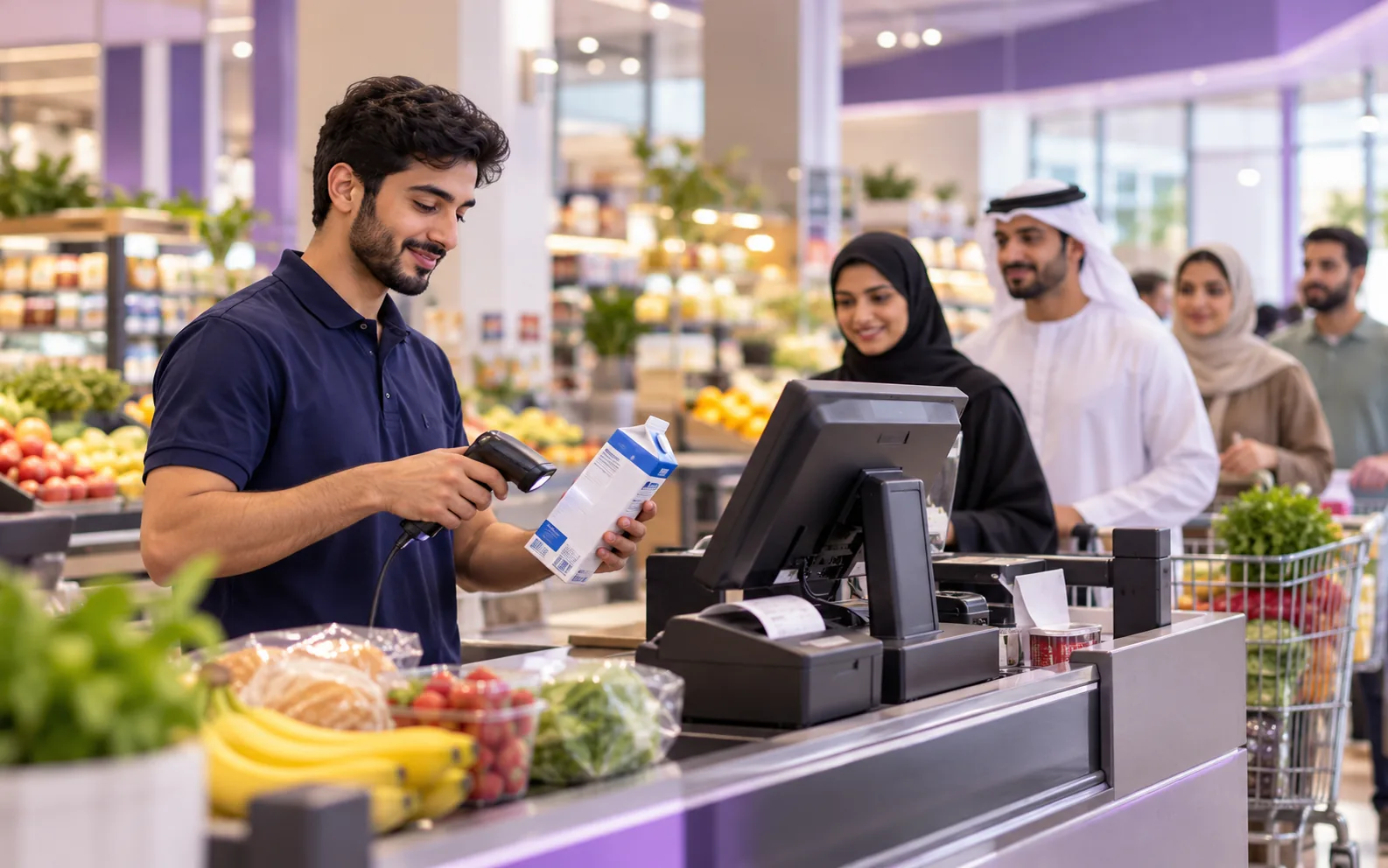
- Scan and sell
- Stock in every branch
- Arabic and English
The old way vs Raad
A normal day in the shop. What you do now, and what changes.
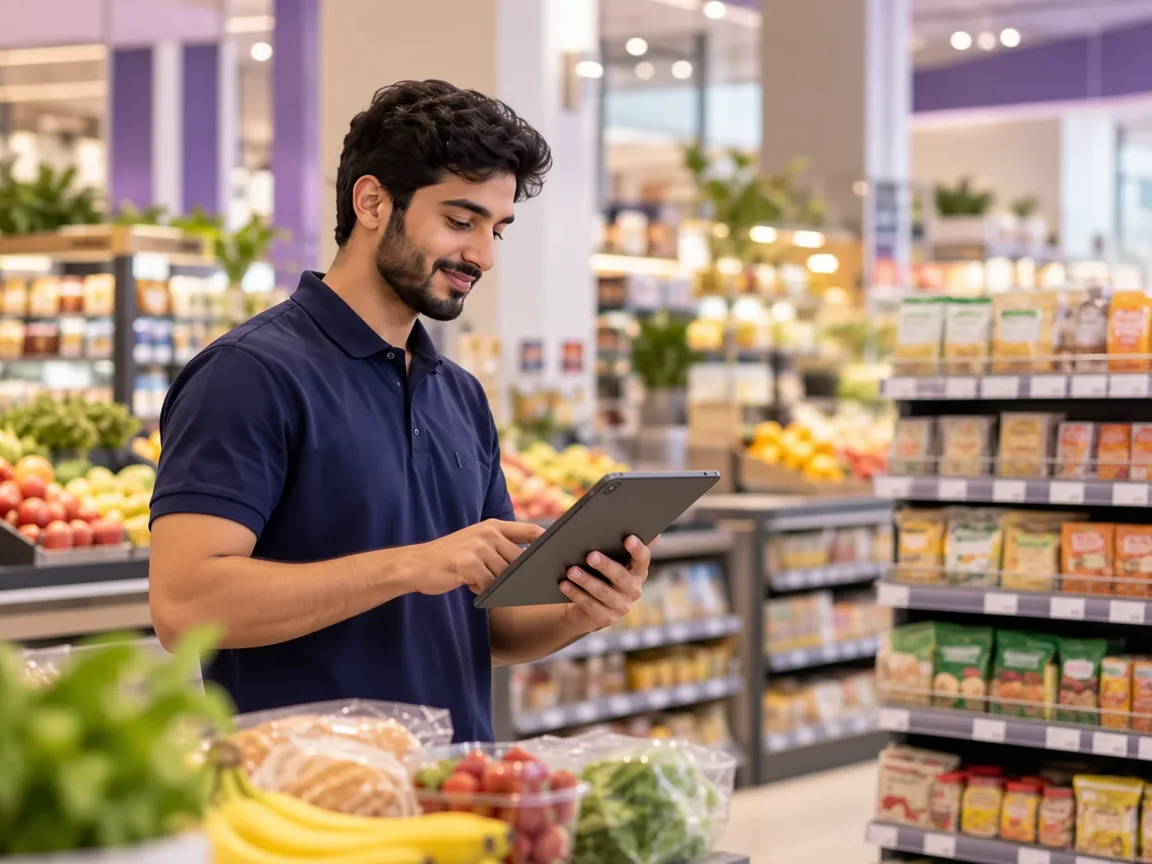
The supplier’s bill sits in a drawer. Someone types the stock in later.
Check the goods in as they arrive
Match the delivery to what you ordered. The stock goes up when the goods come in.
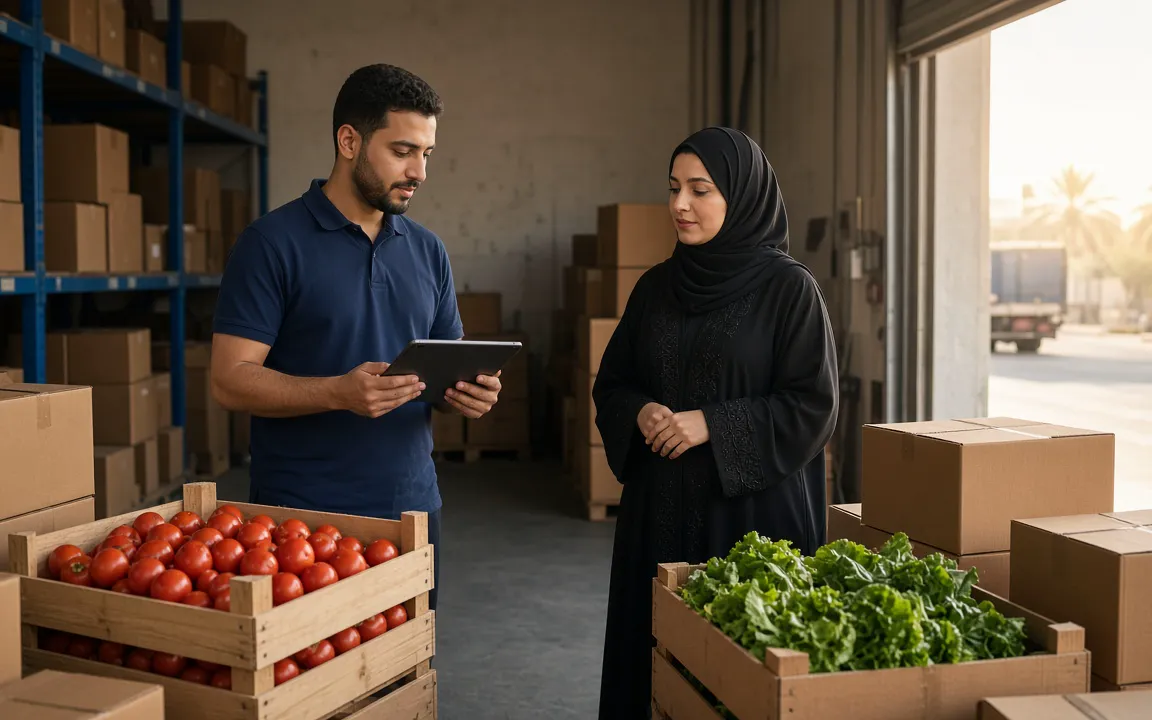
A customer asks. You phone the other branch to find out.
Look it up before you answer
See the stock in every shop from one screen. Sales and profit for each shop are there too.
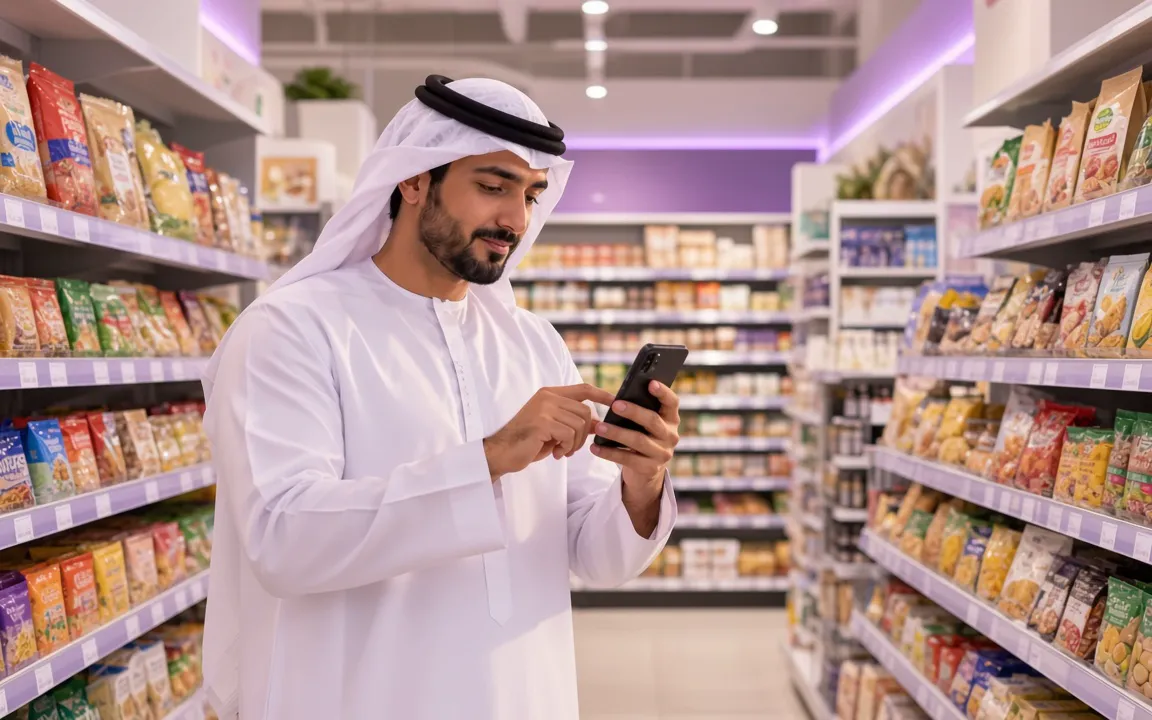
Cashiers type the prices. The line keeps growing.
Scan it and move on
A barcode finishes the bill. Fruit, veg and meat come off the scale sticker, or you type the weight in.
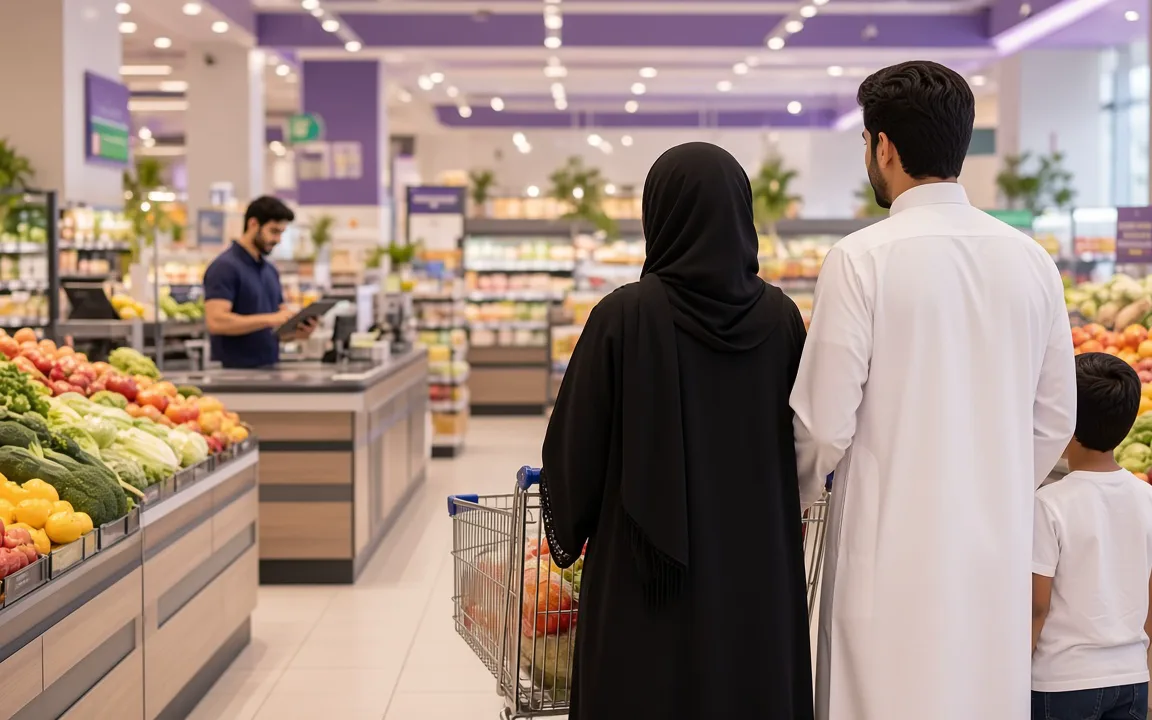
Any cashier can knock a price off. You find out later.
Only some staff can change a price
A discount on one item, or on the whole bill, is only for the people you allow.
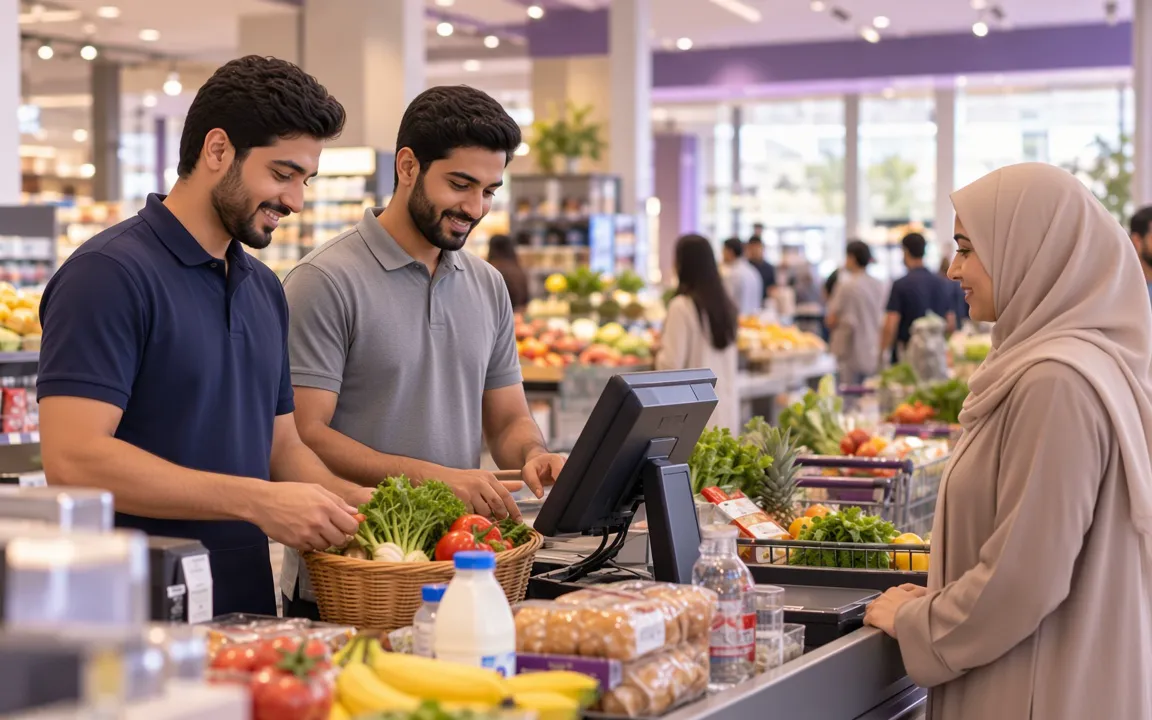
They bring something back, and nobody can find the bill.
Start from the receipt
Scan the receipt, pick what’s coming back, and refund it. Never more than they paid.
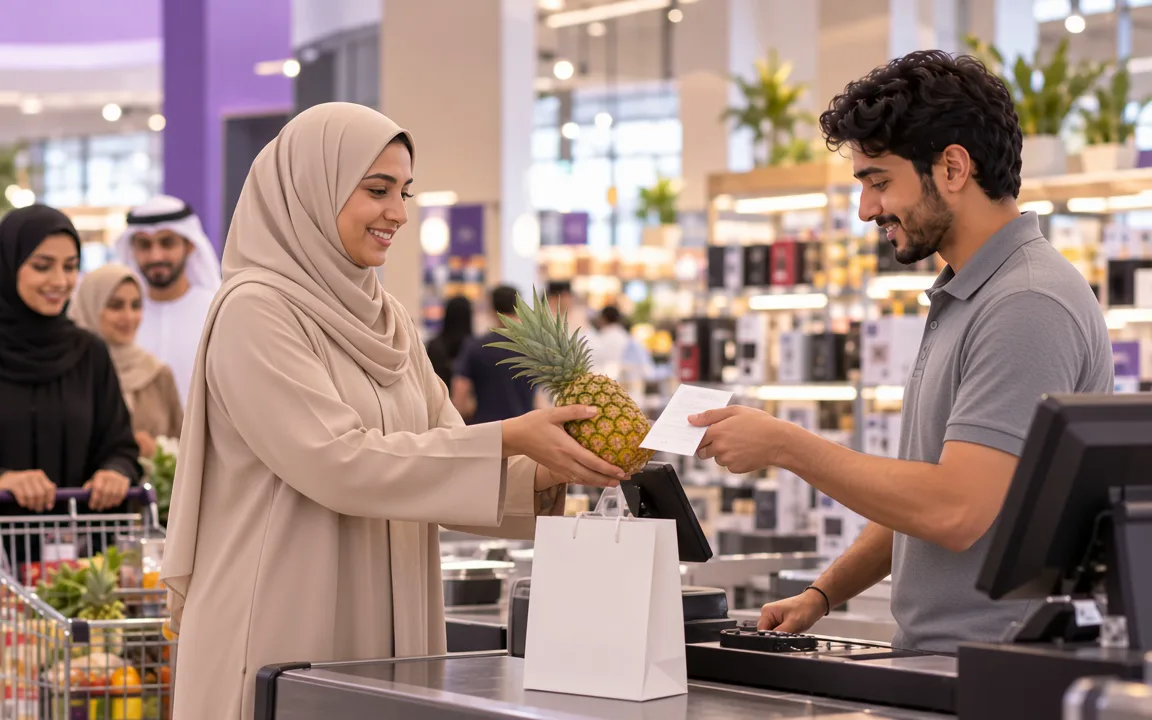
Freight is scribbled on the side of their bill, and it never reaches the books.
Put the freight on their invoice
Add the charge to that purchase invoice. It goes into the books with the goods it came with.
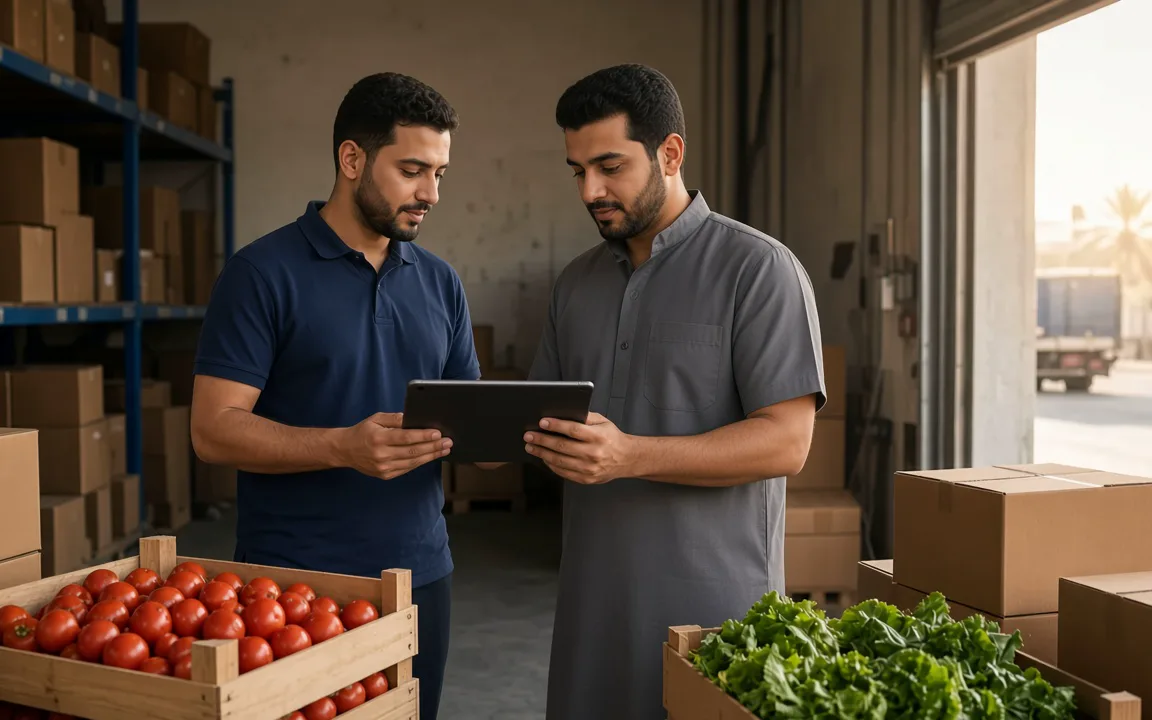
You don’t know the cash until someone writes it down.
See the cash and the bank
Each bill records cash, card or transfer, and the money lands in the cash or the bank account. Open either one to see today’s total.

The day’s sales get typed into the accounts again at night.
Today’s sales are already there
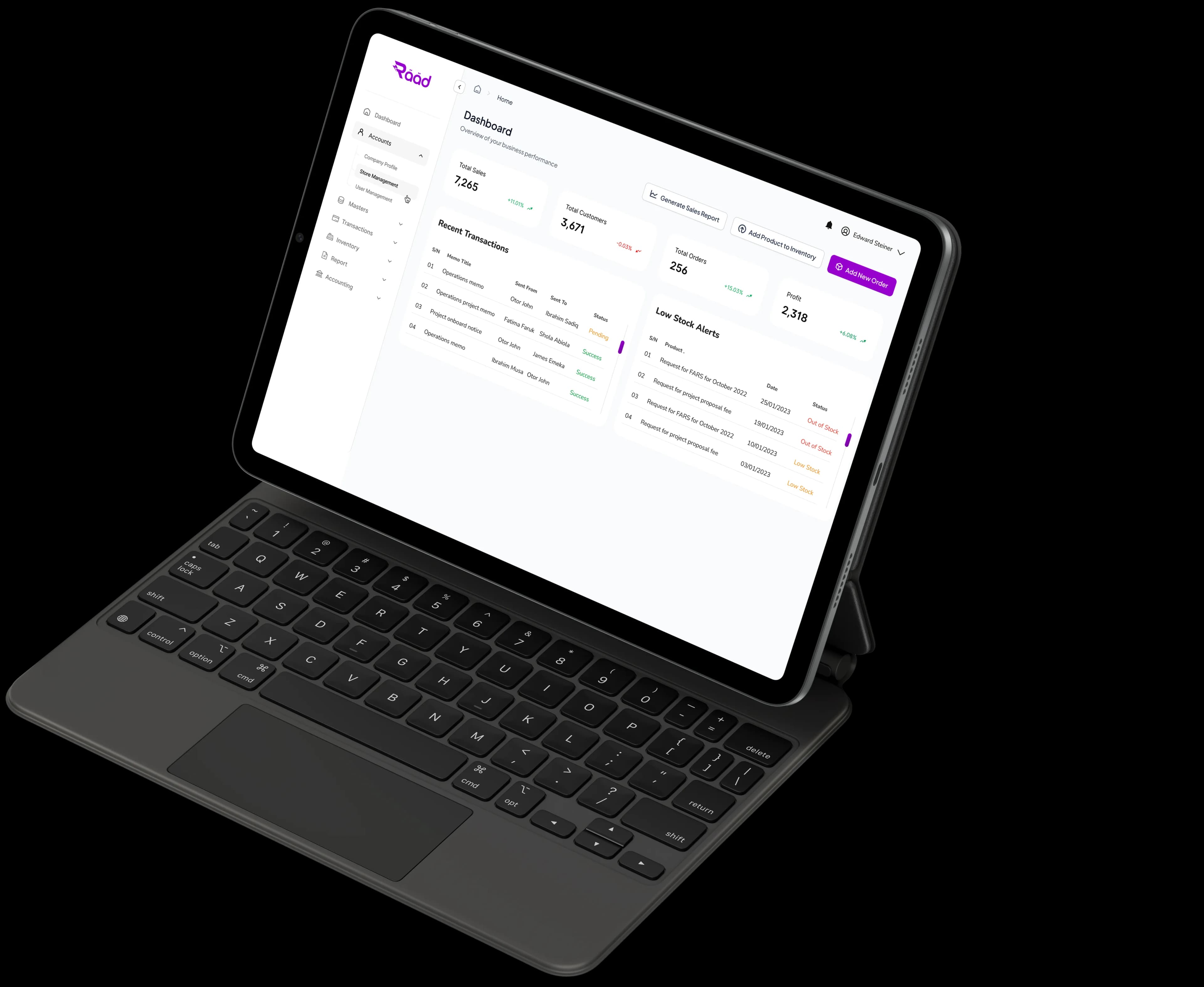
Every sale updates the stock and the accounts straight away. You can see sales and profit for each shop.
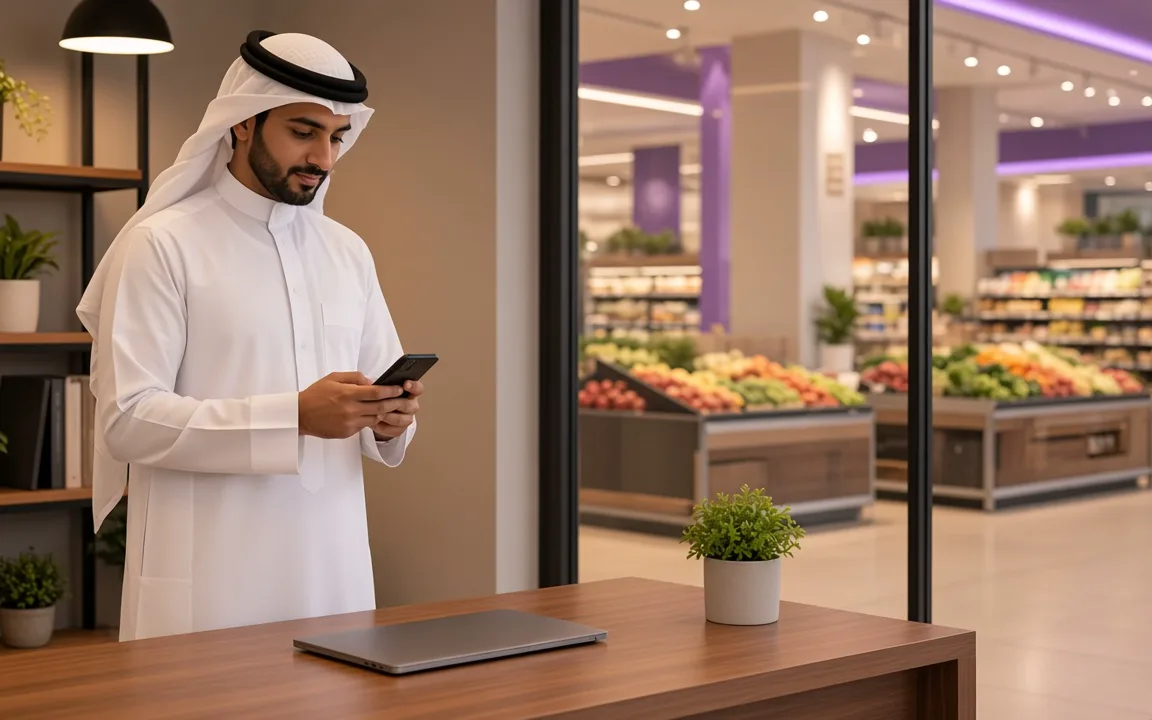
From the delivery to the bill
The goods, the shelf and the till use the same stock count.
The order
What you asked the supplier for.
The delivery
What actually came in.
The bill
Scanned and paid.
The numbers
Stock and accounts, updated.
Billing, stock and the accounts


Barcode billing
Scan it. The bill is done.

Weighed items
Fruit, veg and meat from the scale sticker.

How they pay
Cash, card or mada on one bill.
Returns
Scan the receipt. Refund only what they paid.
Who can discount
Only the staff you allow.
Live stock
A sale or a delivery moves the count.
Every shop
All your branches on one account.
Buying stock
The order, what arrived, and the supplier’s bill.
The accounts
Sales and VAT update on their own.
The work behind the till
Short guides for buying stock, the branches, and the reports.
Up and running in a day
You won’t be left to figure it out alone. Our team does the setup with you.
Message us on WhatsApp
Tell us how your business works. We’ll show you Raad on a short call, in Arabic or English.
We set it up for you
Our team imports your products, customers and opening balances, then trains your staff.
Start working
Most businesses are running the same day, and we stay one message away after that.
E-invoicing, handled for you
Tax rules keep changing. Your invoicing shouldn’t have to.
Saudi Arabia: ZATCA Phase 1 & 2
A QR code on every invoice and receipt, and Phase 2 invoices sent to ZATCA automatically in the background.
UAE: e-invoicing on Peppol
Ready for the UAE’s 2027 mandate. Our team gets your customer and item data in shape now, so you go live on time.
Know more about UAE e-invoicingThe till, and the system behind it
Questions from supermarket owners
Short answers. For anything else, ask us on WhatsApp.
Raad in your country
Set up for the tax rules where you work.